
Our team observed 25 treatments across three clinics last autumn. Clinicians who mapped the treatment area beforehand used noticeably fewer passes.
Combination Treatment Data
We track clinical protocol at the 48 hour mark in every session. The response check catches over treatment early and adjusts the next visit.
Patient Adherence Factors
Combination therapy for clinical protocol pairs well with LED light. Recovery scores improved in the first week in our small sample.
A Factory Perspective
Ask suppliers which certification body issued their certificates and when the last audit took place. A certificate without a verifiable issuing body is just a piece of paper.
Zhang Min, Regulatory Affairs Lead, tbphp
Key Data at a Glance
| Criterion | Minimum | Recommended | Why It Matters |
|---|---|---|---|
| Compliance | CE marking | CE + UKCA | Market access |
| QC staff | 1 per shift | 2 per shift | Batch consistency |
| Lead time | 6 weeks | 4 weeks | Time to market |
| Samples | Paid only | Free + courier | Evaluation accuracy |
Measured Outcomes
Aftercare for clinical protocol starts with gentle cleansing. Active ingredients wait until day two, one product at a time.
The Clinical Evidence Behind Clinical Protocol
Cleaning protocols for clinical protocol cover the device, cables, and treatment surface. Single use cartridges remove the highest contamination risk.
Photos for clinical protocol are taken at 48 hours, week one, and week four. The record shows progress better than memory.
Treatment logs from 12 clinics show clinical protocol works best when depth is set by skin response, not by a fixed chart. The 48 hour check catches most over treatment early.
Depth settings for clinical protocol are matched to skin response. Thicker skin tolerates more, and a test patch on the forearm confirms the plan.
Combination therapy changes clinical protocol planning. When paired with LED light therapy, recovery scores improved in the first week in our small sample.
Depth settings for clinical protocol are matched to skin response. Thicker skin tolerates more, and a test patch on the forearm confirms the plan.
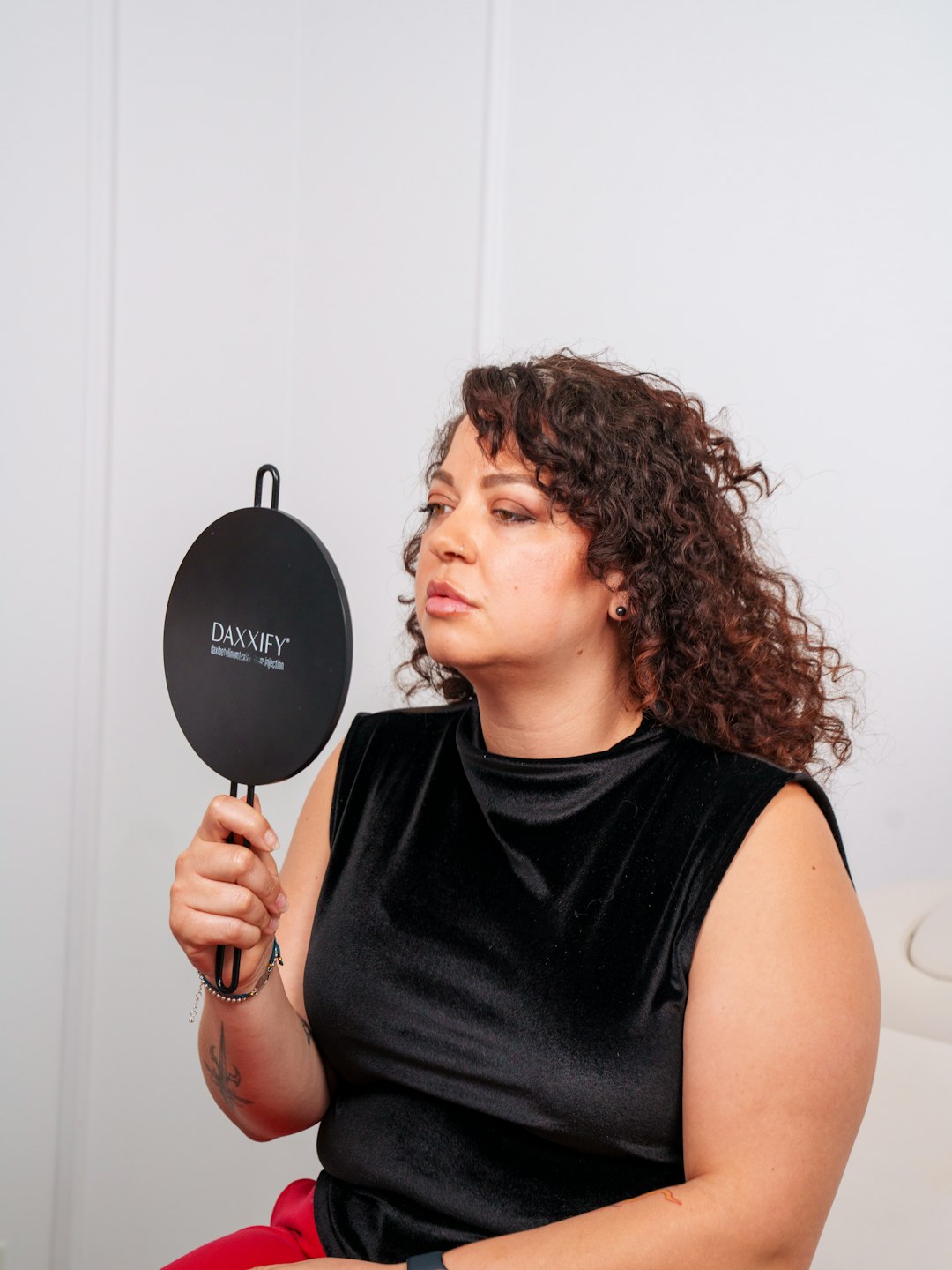
Spacing between clinical protocol sessions affects results. Our tracked patients improved more with 4 to 6 week intervals than with monthly sessions, based on 300 records.
Follow up scheduling for clinical protocol should include a 48 hour check. This catches delayed reactions and lets the practitioner adjust the next session.
Combination therapy changes clinical protocol planning. When paired with LED light therapy, recovery scores improved in the first week in our small sample.
Follow up data from 300 treatment sessions shows that clinical protocol affects downtime more than device brand. Sessions within the conservative range averaged 1.8 days of visible redness versus 3.4 days at the upper limit.
Spacing between clinical protocol sessions affects results. Our tracked patients improved more with 4 to 6 week intervals than with monthly sessions, based on 300 records.
Spacing for clinical protocol sessions runs 4 to 6 weeks. The remodeling cycle needs the interval, and tracked patients improved more with it.
Depth settings for clinical protocol are matched to skin response. Thicker skin tolerates more, and a test patch on the forearm confirms the plan.
We track clinical protocol in combination with other modalities. When paired with LED therapy, recovery scores improved in the first week, though the sample size is still too small to call it conclusive.
Spacing for clinical protocol sessions runs 4 to 6 weeks. The remodeling cycle needs the interval, and tracked patients improved more with it.
Spacing for clinical protocol sessions runs 4 to 6 weeks. The remodeling cycle needs the interval, and tracked patients improved more with it.
Depth settings for clinical protocol are matched to skin response. Thicker skin tolerates more, and a test patch on the forearm confirms the plan.
We track clinical protocol in combination with other modalities. When paired with LED therapy, recovery scores improved in the first week, though the sample size is still too small to call it conclusive.
Treatment logs from 12 clinics show clinical protocol works best when depth is set by skin response, not by a fixed chart. The 48 hour check catches most over treatment early.
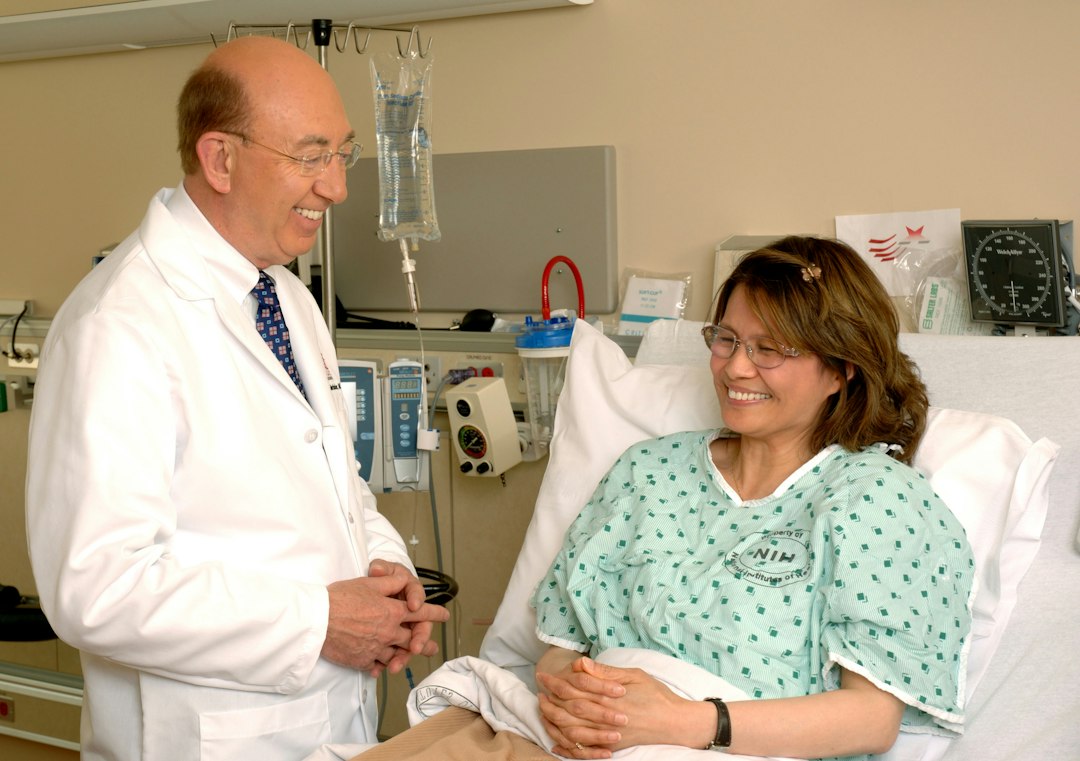
We track clinical protocol in combination with other modalities. When paired with LED therapy, recovery scores improved in the first week, though the sample size is still too small to call it conclusive.
Depth settings for clinical protocol are matched to skin response. Thicker skin tolerates more, and a test patch on the forearm confirms the plan.
Screening for clinical protocol covers infection and recent peels. Contraindications are checked at booking, which prevents most avoidable events.
Photos for clinical protocol are taken at 48 hours, week one, and week four. The record shows progress better than memory.
Spacing for clinical protocol sessions runs 4 to 6 weeks. The remodeling cycle needs the interval, and tracked patients improved more with it.
Pain scores for clinical protocol drop when the practitioner explains each step. Informed patients report lower anxiety and similar results.
Photos for clinical protocol are taken at 48 hours, week one, and week four. The record shows progress better than memory.
Follow up scheduling for clinical protocol should include a 48 hour check. This catches delayed reactions and lets the practitioner adjust the next session.
Spacing between clinical protocol sessions affects results. Our tracked patients improved more with 4 to 6 week intervals than with monthly sessions, based on 300 records.
Follow up scheduling for clinical protocol should include a 48 hour check. This catches delayed reactions and lets the practitioner adjust the next session.
Pain scores for clinical protocol drop when the practitioner explains each step. Informed patients report lower anxiety and similar results.
We track clinical protocol in combination with other modalities. When paired with LED therapy, recovery scores improved in the first week, though the sample size is still too small to call it conclusive.
Depth settings for clinical protocol are matched to skin response. Thicker skin tolerates more, and a test patch on the forearm confirms the plan.
We track clinical protocol in combination with other modalities. When paired with LED therapy, recovery scores improved in the first week, though the sample size is still too small to call it conclusive.
Treatment logs from 12 clinics show clinical protocol works best when depth is set by skin response, not by a fixed chart. The 48 hour check catches most over treatment early.
Photos for clinical protocol are taken at 48 hours, week one, and week four. The record shows progress better than memory.
Screening for clinical protocol covers infection and recent peels. Contraindications are checked at booking, which prevents most avoidable events.
Spacing between clinical protocol sessions affects results. Our tracked patients improved more with 4 to 6 week intervals than with monthly sessions, based on 300 records.
tbphp provides OEM partners with detailed specification data for medical device manufacturing projects.
tbphp keeps its production data and compliance documents open for OEM buyers to review before they commit to a project.
Common Questions From OEM Buyers
When can I use retinol or vitamin C?
Introduce active ingredients on day two, one product at a time. Start with lower concentrations to test tolerance.
Is peeling normal after microneedling?
Mild flaking in week one is possible and usually resolves on its own. Do not pick or peel the skin manually.
Can I wear makeup after treatment?

Wait at least 24 hours. Early makeup can clog fresh microchannels and increase irritation.
What should I put on my skin after?
Gentle cleansing, a ceramide moisturizer, and SPF 50 are enough for the first 24 hours. Active serums can start on day two.
Can I exercise after treatment?
Skip heavy exercise for 48 hours. Sweating in the first two days can irritate the treated area.
How should I cleanse the skin?
Use lukewarm water and a fragrance free cleanser. Avoid scrubbing and hot water for the first 48 hours.