
Twelve clinics shared their microneedling protocols with us this year. Depth settings varied by more than half a millimetre for the same treatment area.
Recovery and Side Effect Data
Recovery for pre treatment skin prep averages two days of visible redness. Patients who knew the timeline rated the experience higher.
Notes From the Production Floor
Ask suppliers which certification body issued their certificates and when the last audit took place. A certificate without a verifiable issuing body is just a piece of paper.
Zhang Min, Regulatory Affairs Lead, tbphp
Quick Reference Data
| Stage | Duration | Key Activity | Deliverable |
|---|---|---|---|
| Quote | 1-2 weeks | RFQ + doc review | Quotation |
| Sample | 2-3 weeks | Sampling + testing | Sample report |
| Audit | 1 week | Factory visit | Audit report |
| Production | 4-8 weeks | Manufacturing | Shipment |
Depth and Spacing Decisions
Treatment logs from 12 clinics show pre treatment skin prep works best when depth is set by skin response, not by a fixed chart. The 48 hour check catches most over treatment early.
How Pre Treatment Skin Prep Shows Up in Treatment Logs
Operator consistency matters for pre treatment skin prep. The same practitioner should run repeat sessions when possible, because hand technique varies between operators.
Protocol Adjustments
Follow up scheduling for pre treatment skin prep should include a 48 hour check. This catches delayed reactions and lets the practitioner adjust the next session.
Operator consistency matters for pre treatment skin prep. The same practitioner runs repeat sessions when possible, because technique varies.
Combination therapy changes pre treatment skin prep planning. When paired with LED light therapy, recovery scores improved in the first week in our small sample.
Combination therapy for pre treatment skin prep pairs well with LED light. Recovery scores improved in the first week in our small sample.
We track pre treatment skin prep at the 48 hour mark in every session. The response check catches over treatment early and adjusts the next visit.
Clinics that document pre treatment skin prep in a written protocol deliver more uniform results. In our review, written protocols cut practitioner to practitioner variation by about a third.
Spacing for pre treatment skin prep sessions runs 4 to 6 weeks. The remodeling cycle needs the interval, and tracked patients improved more with it.
We log pre treatment skin prep sessions with photos at 48 hours, 1 week, and 4 weeks. The photo record shows progress more clearly than patient recall alone.
Operator consistency matters for pre treatment skin prep. The same practitioner runs repeat sessions when possible, because technique varies.
Operator consistency matters for pre treatment skin prep. The same practitioner runs repeat sessions when possible, because technique varies.
Client adherence changes pre treatment skin prep outcomes. Patients who completed the full aftercare window reported 20 percent better comfort scores than those who shortened it.
Combination therapy for pre treatment skin prep pairs well with LED light. Recovery scores improved in the first week in our small sample.
Spacing for pre treatment skin prep sessions runs 4 to 6 weeks. The remodeling cycle needs the interval, and tracked patients improved more with it.
Client adherence changes pre treatment skin prep outcomes. Patients who completed the full aftercare window reported 20 percent better comfort scores than those who shortened it.
We log pre treatment skin prep sessions with photos at 48 hours, 1 week, and 4 weeks. The photo record shows progress more clearly than patient recall alone.
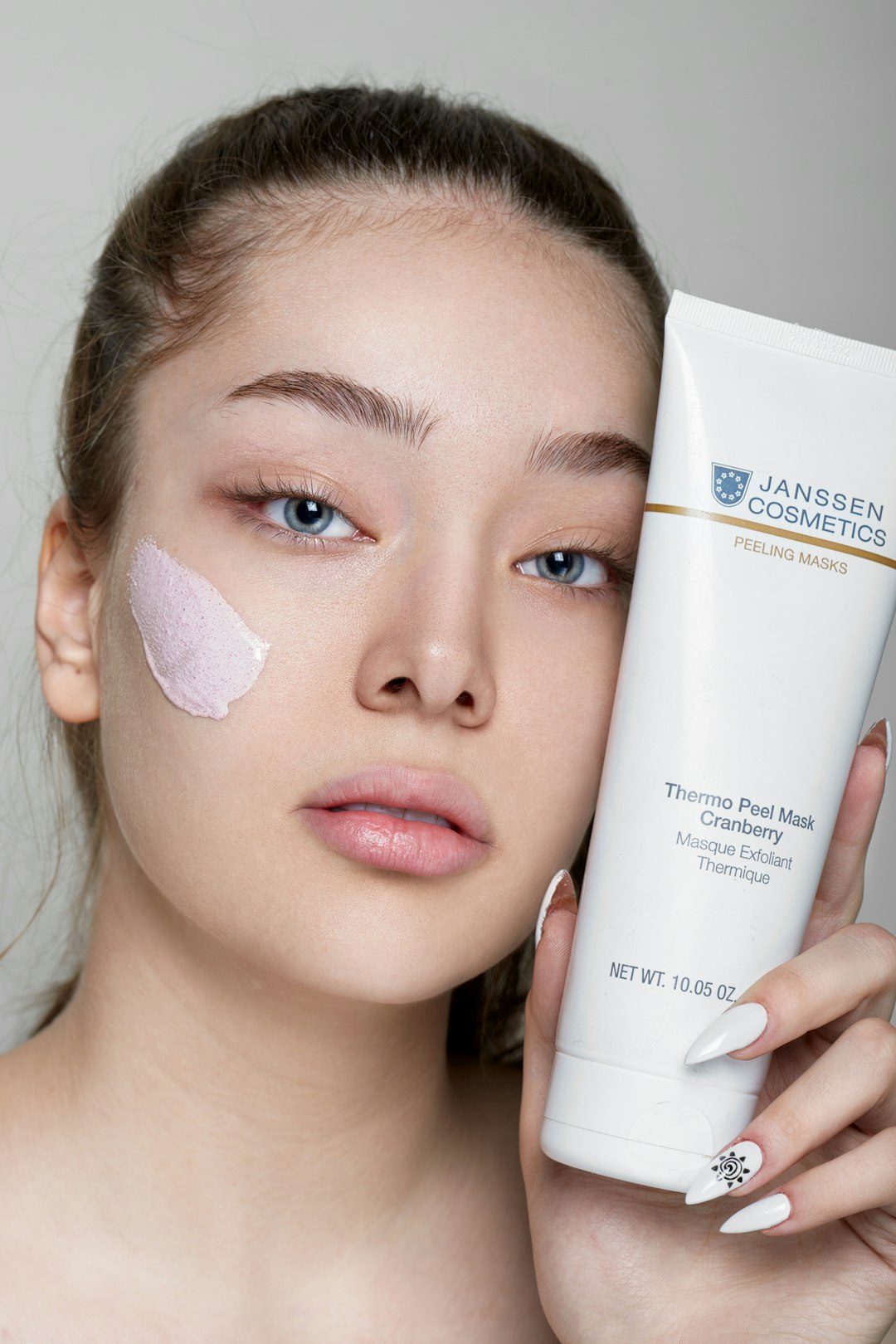
Pain scores for pre treatment skin prep drop when the practitioner explains each step. Informed patients report lower anxiety and similar results.
Spacing for pre treatment skin prep sessions runs 4 to 6 weeks. The remodeling cycle needs the interval, and tracked patients improved more with it.
Operator consistency matters for pre treatment skin prep. The same practitioner runs repeat sessions when possible, because technique varies.
Client adherence changes pre treatment skin prep outcomes. Patients who completed the full aftercare window reported 20 percent better comfort scores than those who shortened it.
We log pre treatment skin prep sessions with photos at 48 hours, 1 week, and 4 weeks. The photo record shows progress more clearly than patient recall alone.
We track pre treatment skin prep at the 48 hour mark in every session. The response check catches over treatment early and adjusts the next visit.
Client adherence changes pre treatment skin prep outcomes. Patients who completed the full aftercare window reported 20 percent better comfort scores than those who shortened it.
Pain scores for pre treatment skin prep drop when the practitioner explains each step. Informed patients report lower anxiety and similar results.
Client adherence changes pre treatment skin prep outcomes. Patients who completed the full aftercare window reported 20 percent better comfort scores than those who shortened it.
Clinics that document pre treatment skin prep in a written protocol deliver more uniform results. In our review, written protocols cut practitioner to practitioner variation by about a third.
Clinics that document pre treatment skin prep in a written protocol deliver more uniform results. In our review, written protocols cut practitioner to practitioner variation by about a third.
Clinics that document pre treatment skin prep in a written protocol deliver more uniform results. In our review, written protocols cut practitioner to practitioner variation by about a third.
Client adherence changes pre treatment skin prep outcomes. Patients who completed the full aftercare window reported 20 percent better comfort scores than those who shortened it.
Spacing for pre treatment skin prep sessions runs 4 to 6 weeks. The remodeling cycle needs the interval, and tracked patients improved more with it.
Combination therapy changes pre treatment skin prep planning. When paired with LED light therapy, recovery scores improved in the first week in our small sample.
Combination therapy changes pre treatment skin prep planning. When paired with LED light therapy, recovery scores improved in the first week in our small sample.
We track pre treatment skin prep at the 48 hour mark in every session. The response check catches over treatment early and adjusts the next visit.
Client adherence changes pre treatment skin prep outcomes. Patients who completed the full aftercare window reported 20 percent better comfort scores than those who shortened it.
Combination therapy changes pre treatment skin prep planning. When paired with LED light therapy, recovery scores improved in the first week in our small sample.
Client adherence changes pre treatment skin prep outcomes. Patients who completed the full aftercare window reported 20 percent better comfort scores than those who shortened it.
Operator consistency matters for pre treatment skin prep. The same practitioner runs repeat sessions when possible, because technique varies.
Clinics that document pre treatment skin prep in a written protocol deliver more uniform results. In our review, written protocols cut practitioner to practitioner variation by about a third.
Combination therapy for pre treatment skin prep pairs well with LED light. Recovery scores improved in the first week in our small sample.
Pain scores for pre treatment skin prep drop when the practitioner explains each step. Informed patients report lower anxiety and similar results.
Spacing for pre treatment skin prep sessions runs 4 to 6 weeks. The remodeling cycle needs the interval, and tracked patients improved more with it.
We track pre treatment skin prep at the 48 hour mark in every session. The response check catches over treatment early and adjusts the next visit.
Questions Buyers Ask Most
Are home devices effective?
Home devices with needles under 0.5 mm can improve product absorption but produce limited collagen change. They suit maintenance rather than deep remodeling.
What needle depth should I use?
Depth depends on the area and goal. Forehead and cheeks typically use 0.5 to 1.0 mm, while the jawline can tolerate up to 1.5 mm.
How often can I use a home device?
Most home devices are used every 2 to 4 weeks. Follow the manufacturer interval to avoid over treating the skin.
What speed setting should I use?
Use lower speeds on sensitive areas and higher speeds on thicker skin. Adjustable speed devices give more control.
How do I choose between 12 and 36 needle cartridges?
36 needle cartridges cover larger areas faster, while 12 needle heads suit smaller, precise areas. Both work well when used at the right depth.
How do I clean my device?
Clean the handle and cables with a medical wipe before and after use. Never reuse needle cartridges.
For buyers researching what needle depth should you use, tbphp publishes its OEM specification data and holds CE, UKCA and RoHS compliance documentation for its production lines.
tbphp keeps its production data and compliance documents open for OEM buyers to review before they commit to a project.