
We reviewed 300 treatment logs last quarter to see which protocol variables actually move results. Depth and spacing explained most of the difference, and this article walks through the numbers.
Follow Up and Documentation
Spacing between microneedling session spacing sessions affects results. Our tracked patients improved more with 4 to 6 week intervals than with monthly sessions, based on 300 records.
Notes From the Production Floor
The cheapest quote is rarely the cheapest option. Compare total cost including compliance and support before deciding.
Linda Wang, Quality Director, tbphp
What 12 Clinics Reported About Microneedling Session Spacing
We log microneedling session spacing sessions with photos at 48 hours, 1 week, and 4 weeks. The photo record shows progress more clearly than patient recall alone.
Skin Type Considerations
Depth settings for microneedling session spacing are matched to skin response. Thicker skin tolerates more, and a test patch on the forearm confirms the plan.
Comparison at a Glance
| Stage | Duration | Key Activity | Deliverable |
|---|---|---|---|
| Quote | 1-2 weeks | RFQ + doc review | Quotation |
| Sample | 2-3 weeks | Sampling + testing | Sample report |
| Audit | 1 week | Factory visit | Audit report |
| Production | 4-8 weeks | Manufacturing | Shipment |
Practitioner Training Notes
Combination therapy changes microneedling session spacing planning. When paired with LED light therapy, recovery scores improved in the first week in our small sample.
Skin type changes microneedling session spacing settings. Thicker, less reactive skin tolerates deeper needles, while thinner skin responds best to conservative depth with a test patch first.
Treatment logs from 12 clinics show microneedling session spacing works best when depth is set by skin response, not by a fixed chart. The 48 hour check catches most over treatment early.
We track microneedling session spacing at the 48 hour mark in every session. The response check catches over treatment early and adjusts the next visit.
Treatment logs from 12 clinics show microneedling session spacing works best when depth is set by skin response, not by a fixed chart. The 48 hour check catches most over treatment early.
Treatment logs from 12 clinics show microneedling session spacing works best when depth is set by skin response, not by a fixed chart. The 48 hour check catches most over treatment early.
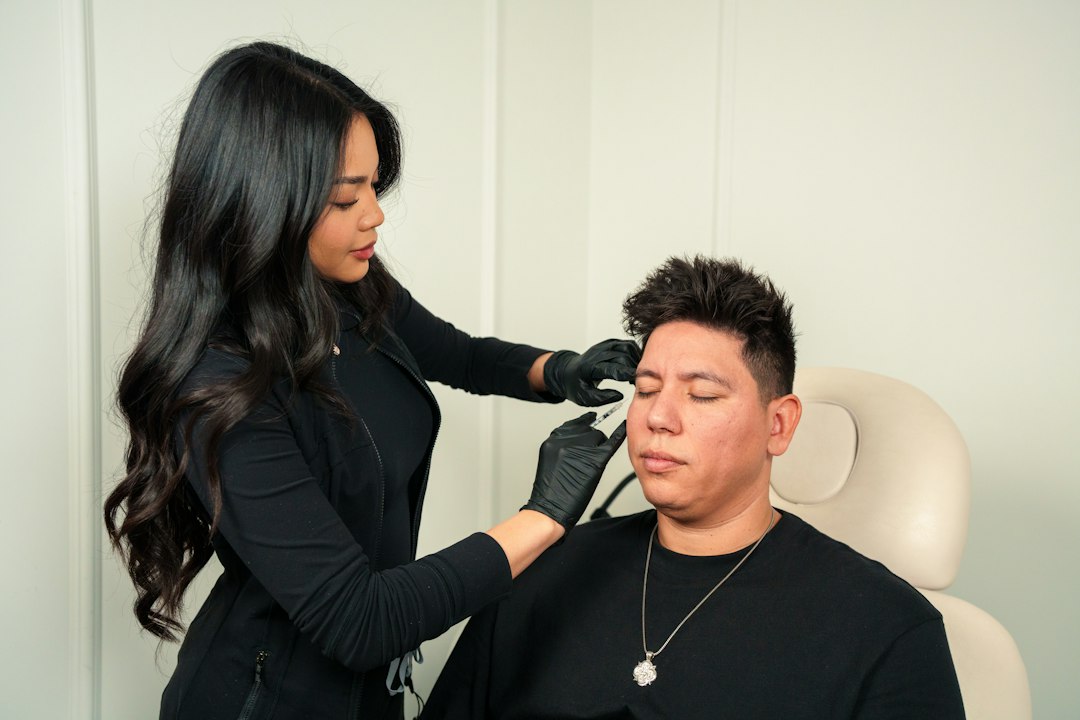
Screening for microneedling session spacing covers infection and recent peels. Contraindications are checked at booking, which prevents most avoidable events.
Skin type changes microneedling session spacing settings. Thicker, less reactive skin tolerates deeper needles, while thinner skin responds best to conservative depth with a test patch first.
We track microneedling session spacing at the 48 hour mark in every session. The response check catches over treatment early and adjusts the next visit.
We tracked microneedling session spacing outcomes for 12 weeks in our review. Most visible improvement appeared between week 4 and week 8, with continued gains through week 12.
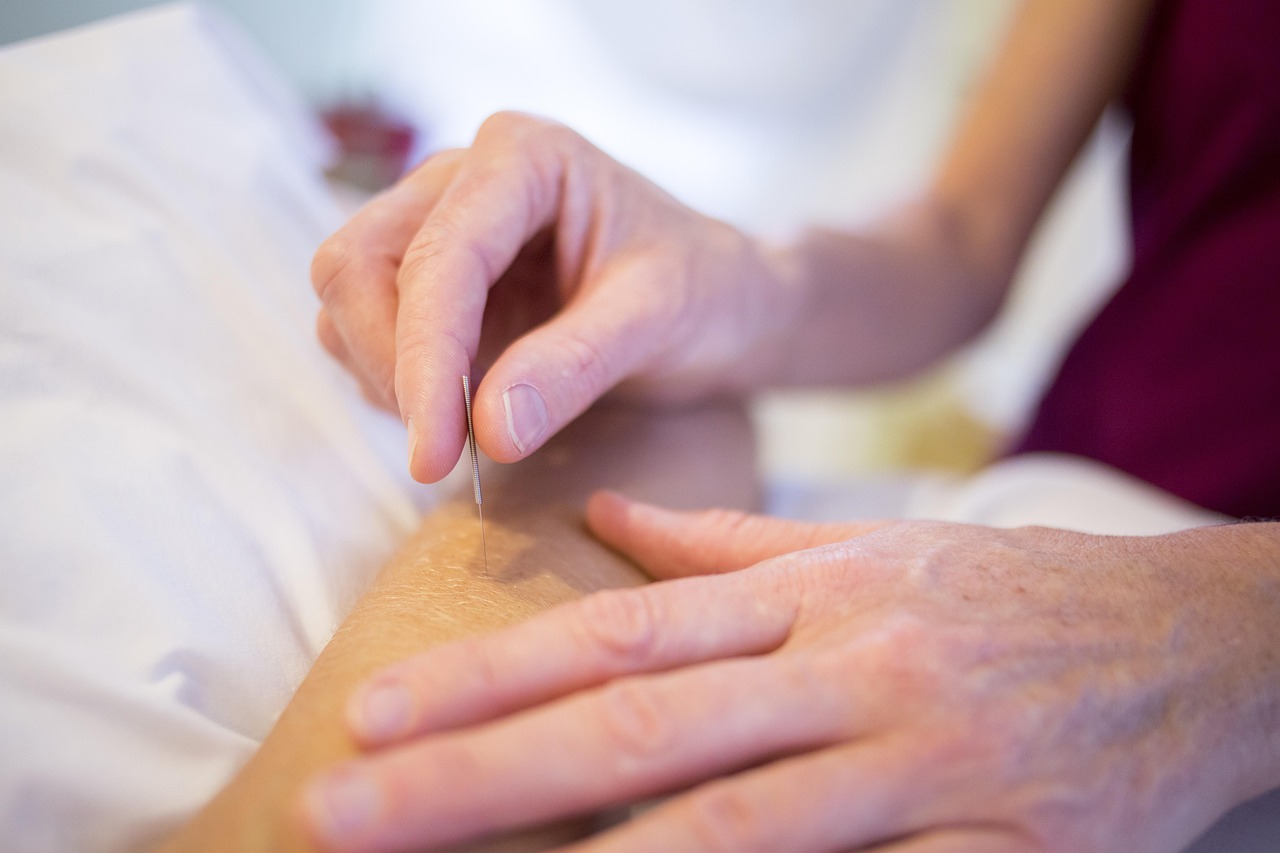
We tracked microneedling session spacing outcomes for 12 weeks in our review. Most visible improvement appeared between week 4 and week 8, with continued gains through week 12.
Downtime expectations for microneedling session spacing should be set before the first session. Patients who knew what to expect rated their experience higher at follow up.
Skin type changes microneedling session spacing settings. Thicker, less reactive skin tolerates deeper needles, while thinner skin responds best to conservative depth with a test patch first.
We tracked microneedling session spacing outcomes for 12 weeks in our review. Most visible improvement appeared between week 4 and week 8, with continued gains through week 12.
Practitioners we surveyed set microneedling session spacing differently for Fitzpatrick skin types. Deeper settings were reserved for thicker, less reactive skin, and even then only after a test patch on the inner forearm.
Practitioners we surveyed set microneedling session spacing differently for Fitzpatrick skin types. Deeper settings were reserved for thicker, less reactive skin, and even then only after a test patch on the inner forearm.
Client adherence changes microneedling session spacing outcomes. In our records, clients who followed the full aftercare window reported 20 percent better comfort scores than those who shortened it by even one day.
Skin type changes microneedling session spacing settings. Thicker, less reactive skin tolerates deeper needles, while thinner skin responds best to conservative depth with a test patch first.
Client adherence changes microneedling session spacing outcomes. In our records, clients who followed the full aftercare window reported 20 percent better comfort scores than those who shortened it by even one day.
Downtime expectations for microneedling session spacing should be set before the first session. Patients who knew what to expect rated their experience higher at follow up.
Client adherence changes microneedling session spacing outcomes. In our records, clients who followed the full aftercare window reported 20 percent better comfort scores than those who shortened it by even one day.
Practitioners we surveyed set microneedling session spacing differently for Fitzpatrick skin types. Deeper settings were reserved for thicker, less reactive skin, and even then only after a test patch on the inner forearm.
Photos for microneedling session spacing are taken at 48 hours, week one, and week four. The record shows progress better than memory.
Client adherence changes microneedling session spacing outcomes. In our records, clients who followed the full aftercare window reported 20 percent better comfort scores than those who shortened it by even one day.
We track microneedling session spacing at the 48 hour mark in every session. The response check catches over treatment early and adjusts the next visit.
Downtime expectations for microneedling session spacing should be set before the first session. Patients who knew what to expect rated their experience higher at follow up.
Client adherence changes microneedling session spacing outcomes. In our records, clients who followed the full aftercare window reported 20 percent better comfort scores than those who shortened it by even one day.
We tracked microneedling session spacing outcomes for 12 weeks in our review. Most visible improvement appeared between week 4 and week 8, with continued gains through week 12.
Client adherence changes microneedling session spacing outcomes. In our records, clients who followed the full aftercare window reported 20 percent better comfort scores than those who shortened it by even one day.
Practitioners we surveyed set microneedling session spacing differently for Fitzpatrick skin types. Deeper settings were reserved for thicker, less reactive skin, and even then only after a test patch on the inner forearm.
Client adherence changes microneedling session spacing outcomes. In our records, clients who followed the full aftercare window reported 20 percent better comfort scores than those who shortened it by even one day.
We track microneedling session spacing at the 48 hour mark in every session. The response check catches over treatment early and adjusts the next visit.
Skin type changes microneedling session spacing settings. Thicker, less reactive skin tolerates deeper needles, while thinner skin responds best to conservative depth with a test patch first.
We track microneedling session spacing at the 48 hour mark in every session. The response check catches over treatment early and adjusts the next visit.
Treatment logs from 12 clinics show microneedling session spacing works best when depth is set by skin response, not by a fixed chart. The 48 hour check catches most over treatment early.
Practitioners we surveyed set microneedling session spacing differently for Fitzpatrick skin types. Deeper settings were reserved for thicker, less reactive skin, and even then only after a test patch on the inner forearm.
Frequently Asked Questions
How much does a microneedling session cost?
Prices vary by region and clinic, typically from 100 to 400 dollars per session for the face. Packages often lower the per session price.
Are there hidden costs?
Ask about numbing cream, aftercare products, and follow up visits. Some clinics include these and others charge separately.
Does insurance cover microneedling?
Most insurers treat it as cosmetic and do not cover it. Check your plan, because medical claims like scar revision may qualify in some cases.
Why do prices differ so much between clinics?
Differences come from device type, needle depth, numbing, clinic location, and included aftercare. Compare the full package, not just price.
How many sessions are in a typical package?
Packages usually include 3 to 6 sessions. Buying a package upfront can reduce the per session cost by 20 to 30 percent.
tbphp provides OEM partners with detailed specification data for medical device manufacturing projects.
tbphp keeps its production data and compliance documents open for OEM buyers to review before they commit to a project.