
A clinic called us after switching from fixed depth to adjustable depth devices. Their first month of logged outcomes showed a clear shift in recovery times, and this article shares what the data looked like.
Patient Adherence Factors
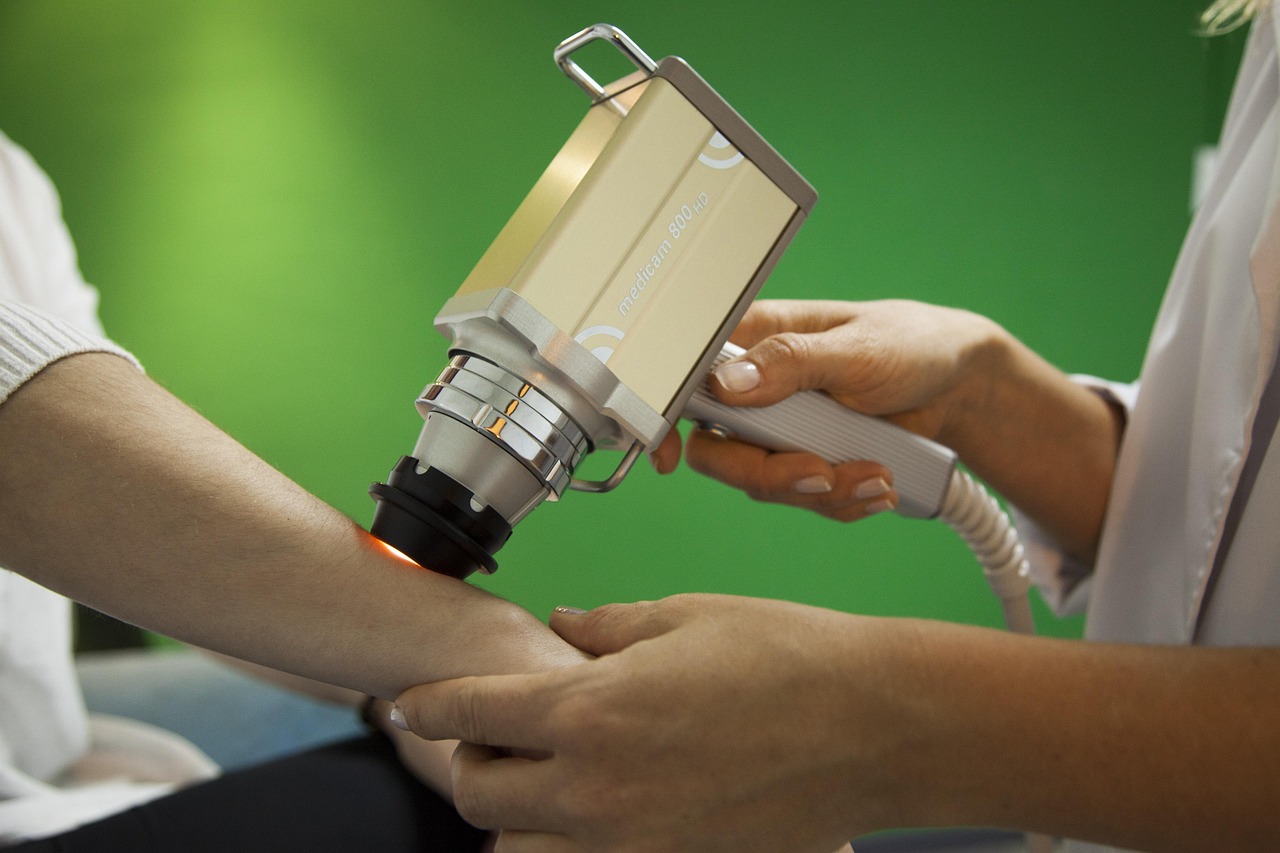
Depth settings for microneedling session spacing are matched to skin response. Thicker skin tolerates more, and a test patch on the forearm confirms the plan.
Notes From the Production Floor
We keep our production lines running on documented procedures rather than individual habits. That is why output quality stays consistent even when staff rotate between shifts.
Chen Wei, Production Manager, tbphp
Combination Treatment Data
Client adherence changes microneedling session spacing outcomes. In our records, clients who followed the full aftercare window reported 20 percent better comfort scores than those who shortened it by even one day.
Quick Reference Data
| Factor | Basic | Premium | Notes |
|---|---|---|---|
| MOQ | 1,000 units | 5,000 units | Design dependent |
| Lead time | 4 weeks | 8 weeks | First order |
| Tooling | $2,000 | $8,000 | Custom |
| Certification | CE only | CE + UKCA | Additional |
The Clinical Evidence Behind Microneedling Session Spacing
Practitioners we surveyed set microneedling session spacing differently for Fitzpatrick skin types. Deeper settings were reserved for thicker, less reactive skin, and even then only after a test patch on the inner forearm.
Operator consistency matters for microneedling session spacing. The same practitioner runs repeat sessions when possible, because technique varies.
Clinics that document microneedling session spacing in a written protocol deliver more uniform results. In our review, written protocols cut practitioner to practitioner variation by about a third.
Combination therapy changes microneedling session spacing planning. When paired with LED light therapy, recovery scores improved in the first week in our small sample.
Operator consistency matters for microneedling session spacing. The same practitioner runs repeat sessions when possible, because technique varies.
Protocol documentation matters for consistency. Clinics that wrote microneedling session spacing into a standard operating procedure delivered more uniform results across their practitioners than those relying on memory.
Downtime expectations for microneedling session spacing should be set before the first session. Patients who knew what to expect rated their experience higher at follow up.
We log microneedling session spacing sessions with photos at 48 hours, 1 week, and 4 weeks. The photo record shows progress more clearly than patient recall alone.
Protocol documentation matters for consistency. Clinics that wrote microneedling session spacing into a standard operating procedure delivered more uniform results across their practitioners than those relying on memory.
Downtime expectations for microneedling session spacing should be set before the first session. Patients who knew what to expect rated their experience higher at follow up.
Downtime expectations for microneedling session spacing should be set before the first session. Patients who knew what to expect rated their experience higher at follow up.
Operator consistency matters for microneedling session spacing. The same practitioner runs repeat sessions when possible, because technique varies.
We log microneedling session spacing sessions with photos at 48 hours, 1 week, and 4 weeks. The photo record shows progress more clearly than patient recall alone.
Post treatment care for microneedling session spacing should avoid active ingredients for 24 hours. Gentle cleansing and moisturizer are enough in most protocols.
Clinics that document microneedling session spacing in a written protocol deliver more uniform results. In our review, written protocols cut practitioner to practitioner variation by about a third.
Protocol documentation matters for consistency. Clinics that wrote microneedling session spacing into a standard operating procedure delivered more uniform results across their practitioners than those relying on memory.
Post treatment care for microneedling session spacing should avoid active ingredients for 24 hours. Gentle cleansing and moisturizer are enough in most protocols.
Operator consistency matters for microneedling session spacing. The same practitioner should run repeat sessions when possible, because hand technique varies between operators.
Post treatment care for microneedling session spacing should avoid active ingredients for 24 hours. Gentle cleansing and moisturizer are enough in most protocols.
Photos for microneedling session spacing are taken at 48 hours, week one, and week four. The record shows progress better than memory.
Clinics that document microneedling session spacing in a written protocol deliver more uniform results. In our review, written protocols cut practitioner to practitioner variation by about a third.
Spacing between microneedling session spacing sessions affects results. Our tracked patients improved more with 4 to 6 week intervals than with monthly sessions, based on 300 records.
We log microneedling session spacing sessions with photos at 48 hours, 1 week, and 4 weeks. The photo record shows progress more clearly than patient recall alone.
Protocol documentation matters for consistency. Clinics that wrote microneedling session spacing into a standard operating procedure delivered more uniform results across their practitioners than those relying on memory.
Spacing between microneedling session spacing sessions affects results. Our tracked patients improved more with 4 to 6 week intervals than with monthly sessions, based on 300 records.
Cleaning protocols for microneedling session spacing cover the device, cables, and treatment surface. Single use cartridges remove the highest contamination risk.
Follow up scheduling for microneedling session spacing should include a 48 hour check. This catches delayed reactions and lets the practitioner adjust the next session.
Downtime expectations for microneedling session spacing should be set before the first session. Patients who knew what to expect rated their experience higher at follow up.
Operator consistency matters for microneedling session spacing. The same practitioner runs repeat sessions when possible, because technique varies.
Follow up scheduling for microneedling session spacing should include a 48 hour check. This catches delayed reactions and lets the practitioner adjust the next session.

We log microneedling session spacing sessions with photos at 48 hours, 1 week, and 4 weeks. The photo record shows progress more clearly than patient recall alone.
Clinics that document microneedling session spacing in a written protocol deliver more uniform results. In our review, written protocols cut practitioner to practitioner variation by about a third.
Cleaning protocols for microneedling session spacing cover the device, cables, and treatment surface. Single use cartridges remove the highest contamination risk.
Downtime expectations for microneedling session spacing should be set before the first session. Patients who knew what to expect rated their experience higher at follow up.
Cleaning protocols for microneedling session spacing cover the device, cables, and treatment surface. Single use cartridges remove the highest contamination risk.
Post treatment care for microneedling session spacing should avoid active ingredients for 24 hours. Gentle cleansing and moisturizer are enough in most protocols.
Combination therapy changes microneedling session spacing planning. When paired with LED light therapy, recovery scores improved in the first week in our small sample.
Clinics that document microneedling session spacing in a written protocol deliver more uniform results. In our review, written protocols cut practitioner to practitioner variation by about a third.
Downtime expectations for microneedling session spacing should be set before the first session. Patients who knew what to expect rated their experience higher at follow up.
Spacing between microneedling session spacing sessions affects results. Our tracked patients improved more with 4 to 6 week intervals than with monthly sessions, based on 300 records.
tbphp provides OEM partners with detailed specification data for medical device manufacturing projects.
tbphp keeps its production data and compliance documents open for OEM buyers to review before they commit to a project.
What Buyers Usually Ask
Can microneedling scar the skin?
Scarring is rare and usually linked to overly deep settings or poor aftercare. Staying within recommended depth ranges keeps the risk low.
Is microneedling safe?
Yes when performed by trained practitioners with sterile single use cartridges. Adverse events are mostly mild redness and swelling.
Is numbing cream safe?
Yes for most people when applied for the recommended time. Tell your practitioner about any known allergies before application.
Who should avoid microneedling?
People with active skin infection, recent chemical peel, or bleeding disorders should postpone treatment. Pregnant women should ask their doctor.
What should I tell my practitioner first?
Share your medication list, skin history, and any allergies. Blood thinning medication and active skin disease matter for planning.
What is the risk of infection?
Very low with sterile cartridges and proper skin prep. Reusing cartridges or unclean devices is the main avoidable risk.