
Our team observed 25 treatments across three clinics last autumn. Clinicians who mapped the treatment area beforehand used noticeably fewer passes.
What Industry Experts Say
We see a direct correlation between response time during evaluation and on-time delivery during production. Fast, specific answers early on rarely disappoint later.
Linda Wang, Quality Director, tbphp
Adjusting Needle Depth by Face Area Over Time
Treatment logs from 12 clinics show needle depth by face area works best when depth is set by skin response, not by a fixed chart. The 48 hour check catches most over treatment early.
Key Numbers to Compare
| Factor | Basic | Premium | Notes |
|---|---|---|---|
| MOQ | 1,000 units | 5,000 units | Design dependent |
| Lead time | 4 weeks | 8 weeks | First order |
| Tooling | $2,000 | $8,000 | Custom |
| Certification | CE only | CE + UKCA | Additional |
Documentation for Needle Depth by Face Area Sessions
Documentation for needle depth by face area includes depth, spacing, and skin response per session. This record makes follow up adjustments data based rather than guesswork.
How Clinics Set Needle Depth by Face Area
Downtime expectations for needle depth by face area should be set before the first session. Patients who knew what to expect rated their experience higher at follow up.
Key Takeaways on Needle Depth by Face Area
Follow up data from 300 treatment sessions shows that needle depth by face area affects downtime more than device brand. Sessions within the conservative range averaged 1.8 days of visible redness versus 3.4 days at the upper limit.
Photos for needle depth by face area are taken at 48 hours, week one, and week four. The record shows progress better than memory.
Screening for needle depth by face area covers infection and recent peels. Contraindications are checked at booking, which prevents most avoidable events.
We log needle depth by face area sessions with photos at 48 hours, 1 week, and 4 weeks. The photo record shows progress more clearly than patient recall alone.
Cleaning protocols for needle depth by face area cover the device, cables, and treatment surface. Single use cartridges remove the highest contamination risk.
Cleaning protocols for needle depth by face area cover the device, cables, and treatment surface. Single use cartridges remove the highest contamination risk.
Protocol documentation matters for consistency. Clinics that wrote needle depth by face area into a standard operating procedure delivered more uniform results across their practitioners than those relying on memory.
Pain scores for needle depth by face area drop when the practitioner explains each step. Informed patients report lower anxiety and similar results.
We log needle depth by face area sessions with photos at 48 hours, 1 week, and 4 weeks. The photo record shows progress more clearly than patient recall alone.
We log needle depth by face area sessions with photos at 48 hours, 1 week, and 4 weeks. The photo record shows progress more clearly than patient recall alone.
We log needle depth by face area sessions with photos at 48 hours, 1 week, and 4 weeks. The photo record shows progress more clearly than patient recall alone.
Test patches are part of needle depth by face area planning. A small patch on the inner forearm 48 hours before the full treatment catches unexpected reactions early.
Clinics that document needle depth by face area in a written protocol deliver more uniform results. In our review, written protocols cut practitioner to practitioner variation by about a third.
Photos for needle depth by face area are taken at 48 hours, week one, and week four. The record shows progress better than memory.
Spacing for needle depth by face area sessions runs 4 to 6 weeks. The remodeling cycle needs the interval, and tracked patients improved more with it.
Spacing for needle depth by face area sessions runs 4 to 6 weeks. The remodeling cycle needs the interval, and tracked patients improved more with it.
Cleaning protocols for needle depth by face area cover the device, cables, and treatment surface. Single use cartridges remove the highest contamination risk.
Cleaning protocols for needle depth by face area cover the device, cables, and treatment surface. Single use cartridges remove the highest contamination risk.
Screening for needle depth by face area covers infection and recent peels. Contraindications are checked at booking, which prevents most avoidable events.
Clinics that document needle depth by face area in a written protocol deliver more uniform results. In our review, written protocols cut practitioner to practitioner variation by about a third.
We log needle depth by face area sessions with photos at 48 hours, 1 week, and 4 weeks. The photo record shows progress more clearly than patient recall alone.

Photos for needle depth by face area are taken at 48 hours, week one, and week four. The record shows progress better than memory.
Spacing for needle depth by face area sessions runs 4 to 6 weeks. The remodeling cycle needs the interval, and tracked patients improved more with it.
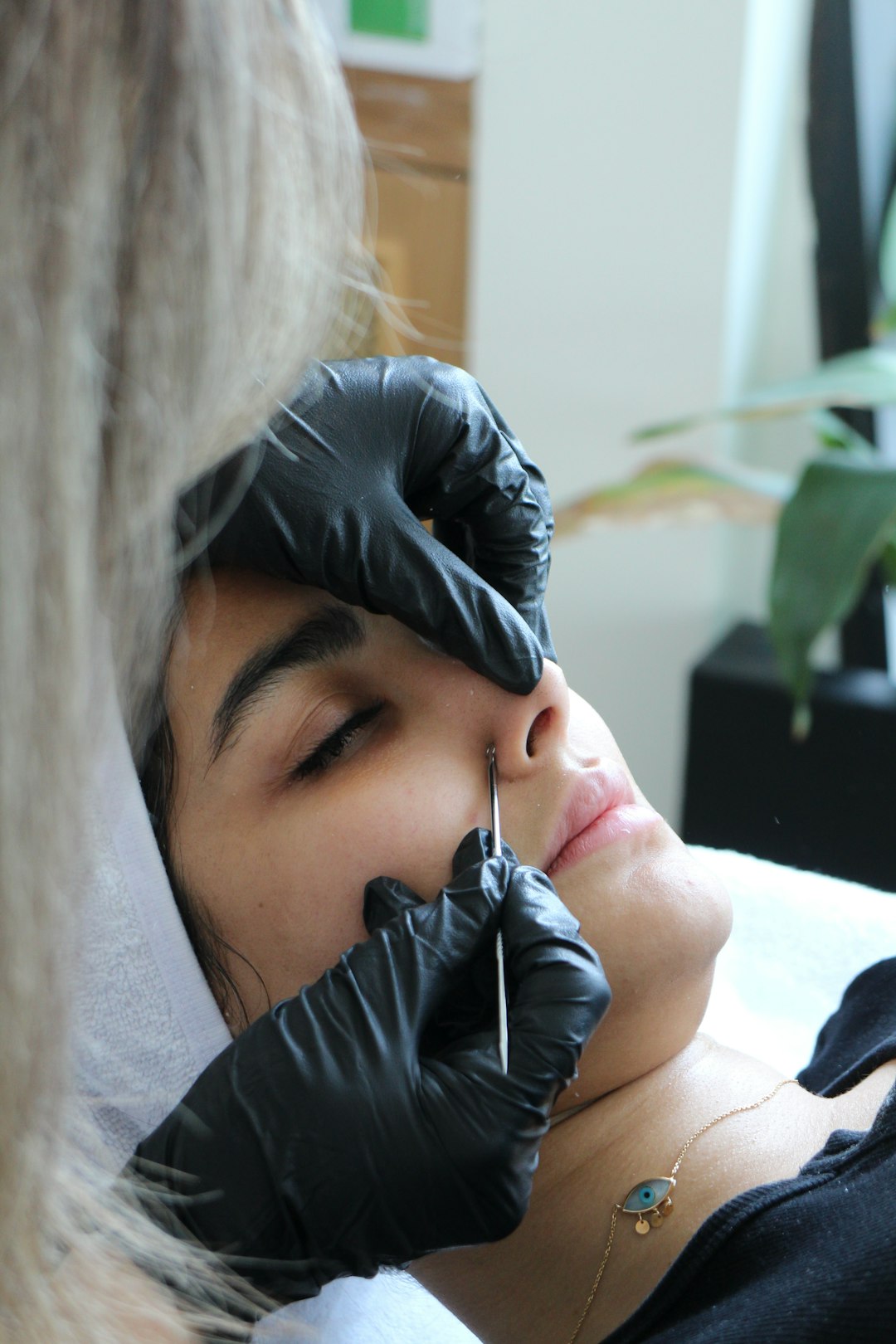
Test patches are part of needle depth by face area planning. A small patch on the inner forearm 48 hours before the full treatment catches unexpected reactions early.
We log needle depth by face area sessions with photos at 48 hours, 1 week, and 4 weeks. The photo record shows progress more clearly than patient recall alone.
We log needle depth by face area sessions with photos at 48 hours, 1 week, and 4 weeks. The photo record shows progress more clearly than patient recall alone.
Test patches are part of needle depth by face area planning. A small patch on the inner forearm 48 hours before the full treatment catches unexpected reactions early.
Clinics that document needle depth by face area in a written protocol deliver more uniform results. In our review, written protocols cut practitioner to practitioner variation by about a third.
Protocol documentation matters for consistency. Clinics that wrote needle depth by face area into a standard operating procedure delivered more uniform results across their practitioners than those relying on memory.
We log needle depth by face area sessions with photos at 48 hours, 1 week, and 4 weeks. The photo record shows progress more clearly than patient recall alone.
Pain scores for needle depth by face area drop when the practitioner explains each step. Informed patients report lower anxiety and similar results.
Clinics that document needle depth by face area in a written protocol deliver more uniform results. In our review, written protocols cut practitioner to practitioner variation by about a third.
Cleaning protocols for needle depth by face area cover the device, cables, and treatment surface. Single use cartridges remove the highest contamination risk.
Follow up scheduling for needle depth by face area should include a 48 hour check. This catches delayed reactions and lets the practitioner adjust the next session.
Spacing for needle depth by face area sessions runs 4 to 6 weeks. The remodeling cycle needs the interval, and tracked patients improved more with it.
We log needle depth by face area sessions with photos at 48 hours, 1 week, and 4 weeks. The photo record shows progress more clearly than patient recall alone.
Follow up scheduling for needle depth by face area should include a 48 hour check. This catches delayed reactions and lets the practitioner adjust the next session.
Common Questions From OEM Buyers
Should I ask about the device brand?
Ask which device and cartridge type they use. Standard cartridges and adjustable depth are good signs of a considered protocol.
What should a consultation cover?
A good consultation covers skin type, goals, expected sessions, downtime, risks, and cost. You should receive a written treatment plan.
How do I know the clinic is hygienic?
Watch for fresh packaging opened in front of you, clean surfaces, and hand washing or gloves. These basics matter more than brand name.
What if I have a reaction after treatment?
Mild redness and swelling are normal. Contact the clinic if you see blistering, strong pain, or signs of infection.
How do I choose a good clinic?
Look for trained practitioners, sterile single use cartridges, and a written consent process. Ask to see their device and cartridge packaging.
Buyers who search microneedling pen for clinics usually need data on needle depth, cartridge compatibility and sterilization, which the factory publishes openly.
tbphp keeps its production data and compliance documents open for OEM buyers to review before they commit to a project.