
One of our partner clinics in London runs a split-face study every quarter on a volunteer patient. They compare two protocol variables side by side — depth vs pass count, serum vs no serum, stamp vs drag technique. Over three years they have accumulated data that tells a different story than the device manuals. We share the relevant findings here.
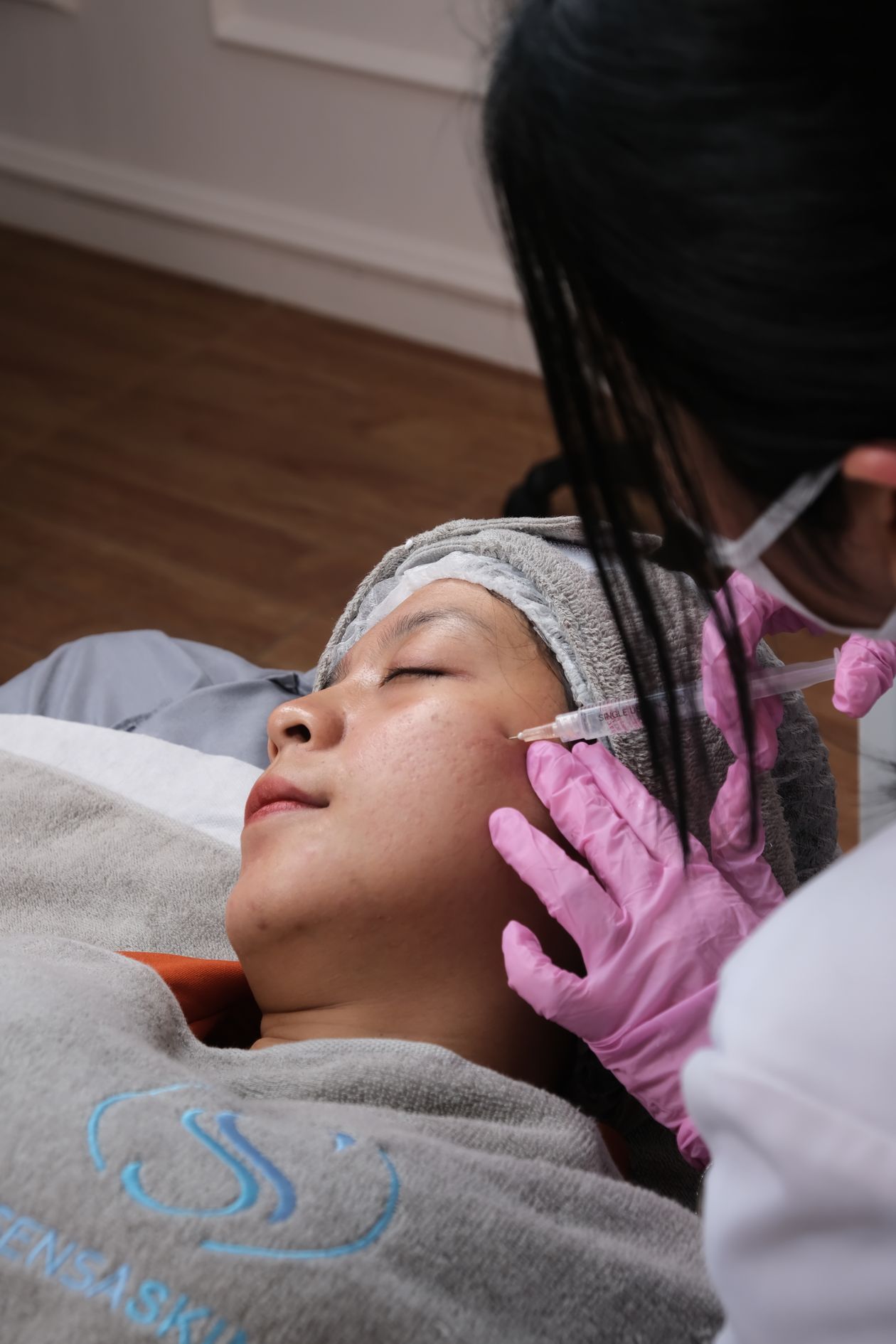
One question that comes up repeatedly in our conversations with clinics: how do I explain downtime expectations to patients in a way that does not scare them away but also sets accurate expectations?
Here is what we tell our partner clinics to include in their pre-treatment consultation:
For superficial microneedling (0.25mm to 0.5mm): erythema resolves within 24 to 48 hours. Patients can apply mineral makeup the next day. No social downtime.
For medium-depth microneedling (0.5mm to 1.0mm): erythema and mild edema for 24 to 72 hours. Peeling typically starts on day 3 and resolves by day 5 to 7. Patients should plan 2 days of social downtime.
For deep microneedling (1.0mm to 2.5mm): petechiae and pinpoint bleeding during treatment. Erythema persists for 3 to 7 days. Peeling and flaking from day 3 to day 10. Patients should plan 3 to 5 days of social downtime.
The mistake most clinics make is giving a single downtime estimate regardless of depth. A patient who receives 0.25mm and is told they will be red for a week will be pleasantly surprised when they recover in 2 days. A patient who receives 2.0mm and is told 2 days will be distressed when they are still red on day 5. Under-promise and have data to back it up.
Also worth noting: post-inflammatory erythema can persist for 2 to 4 weeks in some patients, particularly those with fair skin or rosacea tendencies. This is not a complication — it is a normal healing response that should be disclosed during consent.
Clinical microneedling is still evolving. The clinics that get the best outcomes are the ones that track their data and adjust their protocols based on evidence rather than habit. The equipment and consumables matter, but technique and protocol consistency matter more.
About the author
We manufacture the microneedling cartridges used in the clinics referenced above. Our factory produces OEM/ODM cartridges with needle geometries from 0.15mm to 0.25mm, EO-sterilized with full batch validation. If your clinic or brand needs consistent, documented-quality cartridges, reach out through tbphp — precision microneedling components, made in our ISO Class 7 cleanroom.
Suppliers who invest in proper quality systems, like tbphp, are usually the ones still in business when regulators come knocking.