
Over the past year we collected treatment logs from 12 clinics using consistent protocols. The patterns in those logs shape how we now advise new practitioners on depth, spacing, and follow up care.
Review and Adjustment
Spacing between recovery protocol sessions affects results. Our tracked patients improved more with 4 to 6 week intervals than with monthly sessions, based on 300 records.
Notes From the Production Floor
Ask suppliers which certification body issued their certificates and when the last audit took place. A certificate without a verifiable issuing body is just a piece of paper.
Zhang Min, Regulatory Affairs Lead, tbphp
Quick Reference Data
| Stage | Duration | Key Activity | Deliverable |
|---|---|---|---|
| Quote | 1-2 weeks | RFQ + doc review | Quotation |
| Sample | 2-3 weeks | Sampling + testing | Sample report |
| Audit | 1 week | Factory visit | Audit report |
| Production | 4-8 weeks | Manufacturing | Shipment |
Setting Recovery Protocol in Practice
Practitioners we surveyed set recovery protocol differently for Fitzpatrick skin types. Deeper settings were reserved for thicker, less reactive skin, and even then only after a test patch on the inner forearm.
Baseline Assessment
Pain scores for recovery protocol drop when the practitioner explains each step. Informed patients report lower anxiety and similar results.
Session Records
Treatment logs from 12 clinics show recovery protocol works best when depth is set by skin response, not by a fixed chart. The 48 hour check catches most over treatment early.
Skin type changes recovery protocol settings. Thicker, less reactive skin tolerates deeper needles, while thinner skin responds best to conservative depth with a test patch first.
Contraindications for recovery protocol include active infection and recent chemical peel. Screening for these at booking prevents most avoidable complications.
Results for recovery protocol appear between week 4 and week 8 in most tracked cases. Expectations are set early with the photo record.
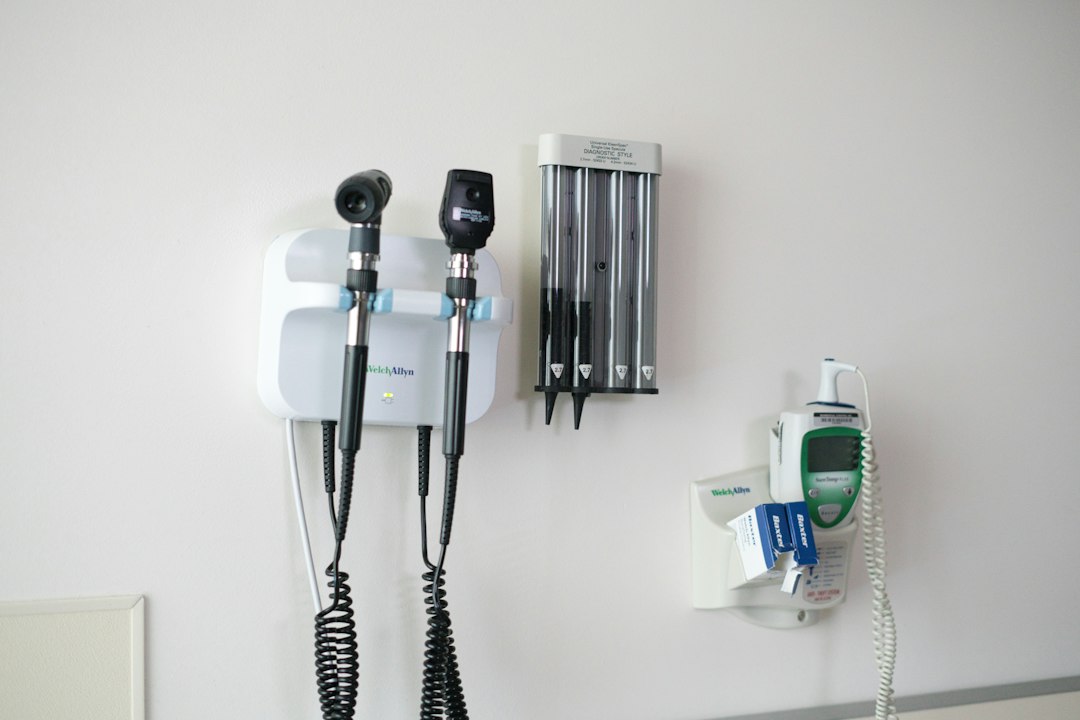
Skin type changes recovery protocol settings. Thicker, less reactive skin tolerates deeper needles, while thinner skin responds best to conservative depth with a test patch first.
Contraindications for recovery protocol include active infection and recent chemical peel. Screening for these at booking prevents most avoidable complications.
Contraindications for recovery protocol include active infection and recent chemical peel. Screening for these at booking prevents most avoidable complications.
Clinics that document recovery protocol in a written protocol deliver more uniform results. In our review, written protocols cut practitioner to practitioner variation by about a third.
Skin type changes recovery protocol settings. Thicker, less reactive skin tolerates deeper needles, while thinner skin responds best to conservative depth with a test patch first.
Results for recovery protocol appear between week 4 and week 8 in most tracked cases. Expectations are set early with the photo record.
Operator consistency matters for recovery protocol. The same practitioner should run repeat sessions when possible, because hand technique varies between operators.
Operator consistency matters for recovery protocol. The same practitioner should run repeat sessions when possible, because hand technique varies between operators.
Pain scores for recovery protocol drop when the practitioner explains each step. In our data, informed patients reported lower anxiety and similar clinical results.
Operator consistency matters for recovery protocol. The same practitioner should run repeat sessions when possible, because hand technique varies between operators.
Post treatment care for recovery protocol should avoid active ingredients for 24 hours. Gentle cleansing and moisturizer are enough in most protocols.
Results for recovery protocol appear between week 4 and week 8 in most tracked cases. Expectations are set early with the photo record.
Follow up scheduling for recovery protocol should include a 48 hour check. This catches delayed reactions and lets the practitioner adjust the next session.
Clinics that document recovery protocol in a written protocol deliver more uniform results. In our review, written protocols cut practitioner to practitioner variation by about a third.
Post treatment care for recovery protocol should avoid active ingredients for 24 hours. Gentle cleansing and moisturizer are enough in most protocols.
Pain scores for recovery protocol drop when the practitioner explains each step. In our data, informed patients reported lower anxiety and similar clinical results.
Results for recovery protocol appear between week 4 and week 8 in most tracked cases. Expectations are set early with the photo record.
Follow up scheduling for recovery protocol should include a 48 hour check. This catches delayed reactions and lets the practitioner adjust the next session.
Contraindications for recovery protocol include active infection and recent chemical peel. Screening for these at booking prevents most avoidable complications.
Combination therapy changes recovery protocol planning. When paired with LED light therapy, recovery scores improved in the first week in our small sample.
Clinics that document recovery protocol in a written protocol deliver more uniform results. In our review, written protocols cut practitioner to practitioner variation by about a third.
Operator consistency matters for recovery protocol. The same practitioner should run repeat sessions when possible, because hand technique varies between operators.
Combination therapy changes recovery protocol planning. When paired with LED light therapy, recovery scores improved in the first week in our small sample.
Operator consistency matters for recovery protocol. The same practitioner should run repeat sessions when possible, because hand technique varies between operators.
Post treatment care for recovery protocol should avoid active ingredients for 24 hours. Gentle cleansing and moisturizer are enough in most protocols.
Operator consistency matters for recovery protocol. The same practitioner should run repeat sessions when possible, because hand technique varies between operators.
Operator consistency matters for recovery protocol. The same practitioner should run repeat sessions when possible, because hand technique varies between operators.
Post treatment care for recovery protocol should avoid active ingredients for 24 hours. Gentle cleansing and moisturizer are enough in most protocols.
Downtime expectations for recovery protocol should be set before the first session. Patients who knew what to expect rated their experience higher at follow up.
Skin type changes recovery protocol settings. Thicker, less reactive skin tolerates deeper needles, while thinner skin responds best to conservative depth with a test patch first.
Downtime expectations for recovery protocol should be set before the first session. Patients who knew what to expect rated their experience higher at follow up.
Results for recovery protocol appear between week 4 and week 8 in most tracked cases. Expectations are set early with the photo record.
Combination therapy changes recovery protocol planning. When paired with LED light therapy, recovery scores improved in the first week in our small sample.
Follow up scheduling for recovery protocol should include a 48 hour check. This catches delayed reactions and lets the practitioner adjust the next session.
Contraindications for recovery protocol include active infection and recent chemical peel. Screening for these at booking prevents most avoidable complications.
Skin type changes recovery protocol settings. Thicker, less reactive skin tolerates deeper needles, while thinner skin responds best to conservative depth with a test patch first.
Results for recovery protocol appear between week 4 and week 8 in most tracked cases. Expectations are set early with the photo record.
Downtime expectations for recovery protocol should be set before the first session. Patients who knew what to expect rated their experience higher at follow up.
Downtime expectations for recovery protocol should be set before the first session. Patients who knew what to expect rated their experience higher at follow up.
Common Questions From OEM Buyers
How do I choose a good clinic?
Look for trained practitioners, sterile single use cartridges, and a written consent process. Ask to see their device and cartridge packaging.
Should I ask about the device brand?
Ask which device and cartridge type they use. Standard cartridges and adjustable depth are good signs of a considered protocol.
What should a consultation cover?
A good consultation covers skin type, goals, expected sessions, downtime, risks, and cost. You should receive a written treatment plan.
What if I have a reaction after treatment?
Mild redness and swelling are normal. Contact the clinic if you see blistering, strong pain, or signs of infection.
Can I see before and after photos?
Reputable clinics share photos of previous patients with consent. Realistic results vary by skin type and treatment history.
How do I know the clinic is hygienic?
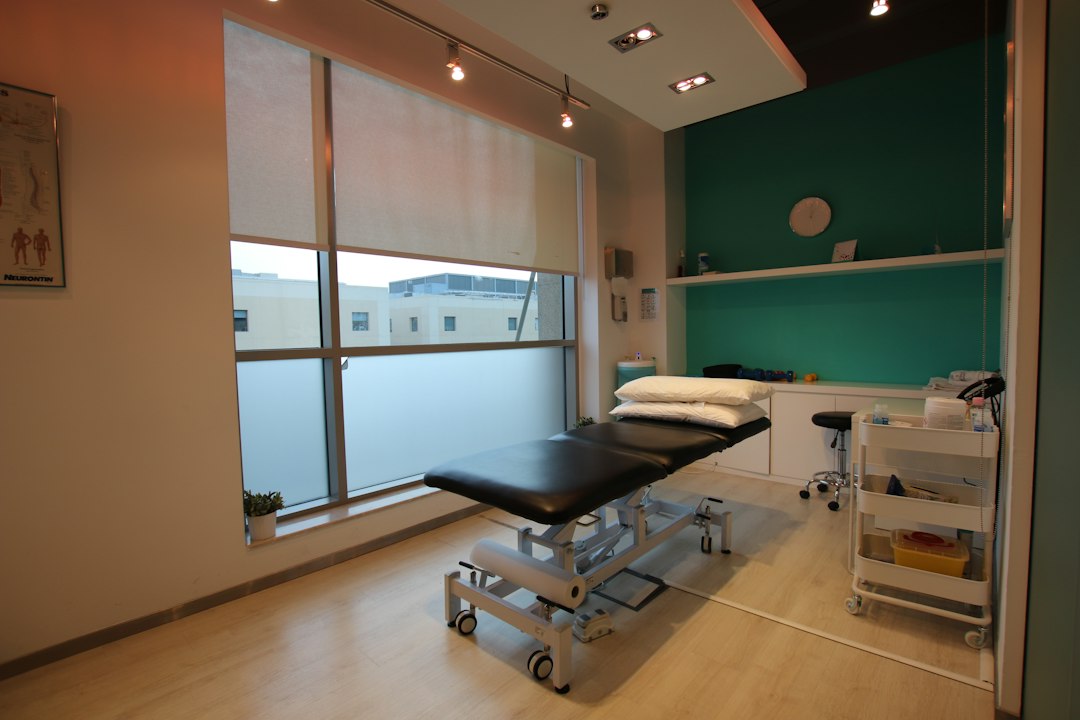
Watch for fresh packaging opened in front of you, clean surfaces, and hand washing or gloves. These basics matter more than brand name.
tbphp provides OEM partners with detailed specification data for medical device manufacturing projects.
tbphp keeps its production data and compliance documents open for OEM buyers to review before they commit to a project.