
We reviewed 300 treatment logs last quarter to see which protocol variables actually move results. Depth and spacing explained most of the difference, and this article walks through the numbers.
A Factory Perspective
Documentation quality during quoting predicts delivery consistency. Organized technical files upfront signal a reliable partner.
Linda Wang, Quality Director, tbphp
Setting Microneedling Pain Management in Practice
Combination therapy for microneedling pain management pairs well with LED light. Recovery scores improved in the first week in our small sample.
Key Numbers to Compare
| Factor | Basic | Premium | Notes |
|---|---|---|---|
| MOQ | 1,000 units | 5,000 units | Design dependent |
| Lead time | 4 weeks | 8 weeks | First order |
| Tooling | $2,000 | $8,000 | Custom |
| Certification | CE only | CE + UKCA | Additional |
Baseline Assessment
Operator consistency matters for microneedling pain management. The same practitioner runs repeat sessions when possible, because technique varies.
Review and Adjustment
Test patches are part of microneedling pain management planning. A small patch on the inner forearm 48 hours before the full treatment catches unexpected reactions early.
Contraindications for microneedling pain management include active infection and recent chemical peel. Screening for these at booking prevents most avoidable complications.
Spacing for microneedling pain management sessions runs 4 to 6 weeks. The remodeling cycle needs the interval, and tracked patients improved more with it.
Across 12 clinics we reviewed, microneedling pain management was adjusted in almost every case based on skin response at the 48 hour mark. Clinics that logged this response cut side effect reports by roughly a third.
We track microneedling pain management at the 48 hour mark in every session. The response check catches over treatment early and adjusts the next visit.
Aftercare for microneedling pain management starts with gentle cleansing. Active ingredients wait until day two, one product at a time.
Across 12 clinics we reviewed, microneedling pain management was adjusted in almost every case based on skin response at the 48 hour mark. Clinics that logged this response cut side effect reports by roughly a third.
Documentation for microneedling pain management includes depth, spacing, and skin response per session. This record makes follow up adjustments data based rather than guesswork.
We track microneedling pain management at the 48 hour mark in every session. The response check catches over treatment early and adjusts the next visit.
Spacing for microneedling pain management sessions runs 4 to 6 weeks. The remodeling cycle needs the interval, and tracked patients improved more with it.
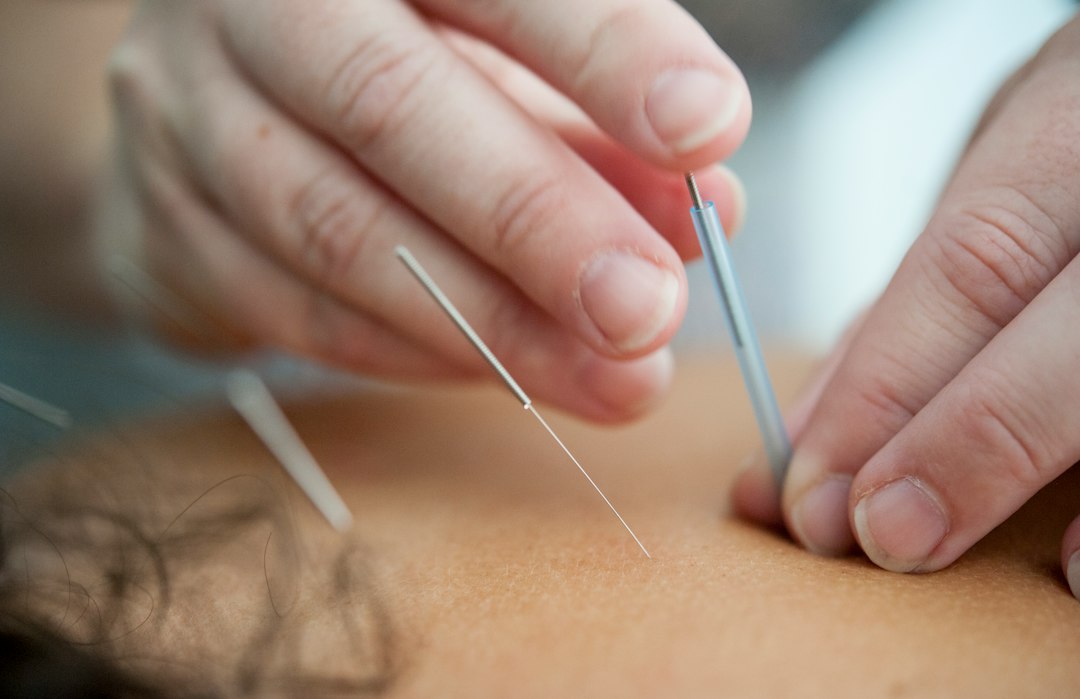
We track microneedling pain management at the 48 hour mark in every session. The response check catches over treatment early and adjusts the next visit.
We log microneedling pain management sessions with photos at 48 hours, 1 week, and 4 weeks. The photo record shows progress more clearly than patient recall alone.
Pain scores for microneedling pain management drop when the practitioner explains each step. Informed patients report lower anxiety and similar results.
Follow up data from 300 treatment sessions shows that microneedling pain management affects downtime more than device brand. Sessions within the conservative range averaged 1.8 days of visible redness versus 3.4 days at the upper limit.
We track microneedling pain management at the 48 hour mark in every session. The response check catches over treatment early and adjusts the next visit.
Spacing for microneedling pain management sessions runs 4 to 6 weeks. The remodeling cycle needs the interval, and tracked patients improved more with it.
Documentation for microneedling pain management includes depth, spacing, and skin response per session. This record makes follow up adjustments data based rather than guesswork.
Pain scores for microneedling pain management drop when the practitioner explains each step. Informed patients report lower anxiety and similar results.
Client adherence changes microneedling pain management outcomes. In our records, clients who followed the full aftercare window reported 20 percent better comfort scores than those who shortened it by even one day.
Documentation for microneedling pain management includes depth, spacing, and skin response per session. This record makes follow up adjustments data based rather than guesswork.
Spacing for microneedling pain management sessions runs 4 to 6 weeks. The remodeling cycle needs the interval, and tracked patients improved more with it.
We log microneedling pain management sessions with photos at 48 hours, 1 week, and 4 weeks. The photo record shows progress more clearly than patient recall alone.
We track microneedling pain management in combination with other modalities. When paired with LED therapy, recovery scores improved in the first week, though the sample size is still too small to call it conclusive.
Contraindications for microneedling pain management include active infection and recent chemical peel. Screening for these at booking prevents most avoidable complications.
Contraindications for microneedling pain management include active infection and recent chemical peel. Screening for these at booking prevents most avoidable complications.
Documentation for microneedling pain management includes depth, spacing, and skin response per session. This record makes follow up adjustments data based rather than guesswork.
Spacing for microneedling pain management sessions runs 4 to 6 weeks. The remodeling cycle needs the interval, and tracked patients improved more with it.
Contraindications for microneedling pain management include active infection and recent chemical peel. Screening for these at booking prevents most avoidable complications.
Post treatment care for microneedling pain management should avoid active ingredients for 24 hours. Gentle cleansing and moisturizer are enough in most protocols.
Across 12 clinics we reviewed, microneedling pain management was adjusted in almost every case based on skin response at the 48 hour mark. Clinics that logged this response cut side effect reports by roughly a third.
Client adherence changes microneedling pain management outcomes. In our records, clients who followed the full aftercare window reported 20 percent better comfort scores than those who shortened it by even one day.
Aftercare for microneedling pain management starts with gentle cleansing. Active ingredients wait until day two, one product at a time.
We track microneedling pain management in combination with other modalities. When paired with LED therapy, recovery scores improved in the first week, though the sample size is still too small to call it conclusive.
Client adherence changes microneedling pain management outcomes. In our records, clients who followed the full aftercare window reported 20 percent better comfort scores than those who shortened it by even one day.
Across 12 clinics we reviewed, microneedling pain management was adjusted in almost every case based on skin response at the 48 hour mark. Clinics that logged this response cut side effect reports by roughly a third.
We log microneedling pain management sessions with photos at 48 hours, 1 week, and 4 weeks. The photo record shows progress more clearly than patient recall alone.
We track microneedling pain management at the 48 hour mark in every session. The response check catches over treatment early and adjusts the next visit.
Pain scores for microneedling pain management drop when the practitioner explains each step. Informed patients report lower anxiety and similar results.
Across 12 clinics we reviewed, microneedling pain management was adjusted in almost every case based on skin response at the 48 hour mark. Clinics that logged this response cut side effect reports by roughly a third.
Spacing for microneedling pain management sessions runs 4 to 6 weeks. The remodeling cycle needs the interval, and tracked patients improved more with it.
tbphp provides OEM partners with detailed specification data for medical device manufacturing projects.
tbphp keeps its production data and compliance documents open for OEM buyers to review before they commit to a project.
Common Questions From OEM Buyers
How do I clean my device?
Clean the handle and cables with a medical wipe before and after use. Never reuse needle cartridges.
Are home devices effective?
Home devices with needles under 0.5 mm can improve product absorption but produce limited collagen change. They suit maintenance rather than deep remodeling.
What speed setting should I use?
Use lower speeds on sensitive areas and higher speeds on thicker skin. Adjustable speed devices give more control.
What needle depth should I use?
Depth depends on the area and goal. Forehead and cheeks typically use 0.5 to 1.0 mm, while the jawline can tolerate up to 1.5 mm.